
In regions prone to earthquakes and other seismic activities, ensuring the structural safety of buildings and other structures is paramount. One of the most effective ways to prevent damage during such events is by using seismic bracing kits. These kits are specifically designed to secure non-structural components within buildings, such as HVAC systems, piping, and ductwork, to reduce the risk of collapse or damage during seismic events.
seismic bracing kits typically include a combination of braces, connectors, anchors, and other components that are installed to secure these non-structural elements. By using these kits, building owners and managers can significantly reduce the risk of injury, property damage, and business interruption in the event of an earthquake.
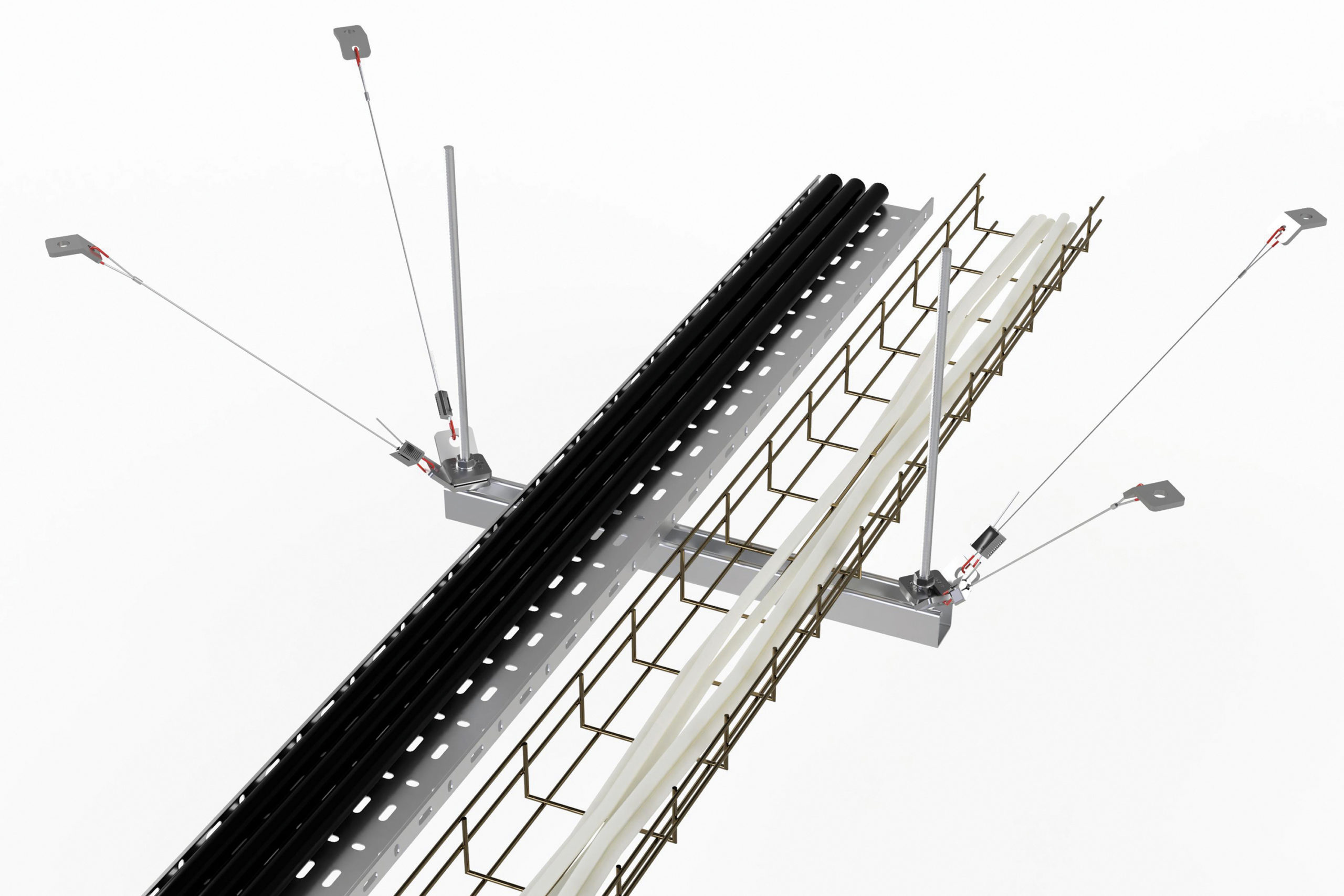
One of the key benefits of seismic bracing kits is their ability to prevent the hazardous movement of non-structural elements during an earthquake. When these components are not properly secured, they can swing, shift, or detach from their supports, posing a serious risk to occupants and causing significant damage to the building itself. seismic bracing kits ensure that these elements remain in place, keeping occupants safe and minimizing the potential for structural damage.
Another advantage of seismic bracing kits is their ability to prevent the disruption of critical building systems during an earthquake. HVAC systems, electrical wiring, and piping are essential for the operation of a building, and damage to these components can lead to costly repairs and extended downtime. By using seismic bracing kits to secure these systems, building owners can ensure that they remain functional even after a seismic event, reducing the impact on occupants and business operations.
In addition to protecting occupants and critical building systems, seismic bracing kits can also help to preserve the structural integrity of a building. Non-structural elements that are not properly braced can exert significant forces on the building structure during an earthquake, leading to stress and potential damage to load-bearing elements. By securing these components with seismic bracing kits, building owners can help to maintain the overall stability and safety of the structure.
Furthermore, seismic bracing kits are relatively easy to install and can be customized to suit the specific needs of a building. Professional engineers can assess the potential risks and vulnerabilities of a structure and recommend the appropriate bracing solutions to address them. These kits can be installed during new construction or retrofitted onto existing buildings, making them a versatile and cost-effective means of improving seismic safety.
Building codes and regulations in seismic regions often require the installation of seismic bracing kits to ensure compliance with safety standards. Failure to comply with these regulations can result in fines, legal liabilities, and increased insurance premiums. By investing in seismic bracing kits, building owners can not only protect their occupants and assets but also demonstrate their commitment to safety and compliance with regulatory requirements.
Overall, seismic bracing kits play a crucial role in protecting buildings and occupants from the devastating effects of earthquakes and other seismic events. By securing non-structural components and critical building systems, these kits help to minimize the risk of injury, property damage, and business interruption. Building owners in seismic regions should consider investing in seismic bracing kits as part of their overall risk mitigation strategy and commitment to safety.